Lodge 10.25-inch Pre-Seasoned Cast Iron Skillet
The default for a reason: inexpensive, made in the USA, and the size most stovetop burners heat evenly.
- 10.25 in
- Pre-seasoned
- Induction & oven safe
Best cast iron skillet: Lodge 10.25-inch Pre-Seasoned Cast Iron Skillet. Why it wins: The default for a reason: inexpensive, made in the USA, and the size most stovetop burners heat evenly. Also see best large / value: Victoria 12-inch Cast Iron Skillet; best premium: Le Creuset Signature Enameled Cast Iron Skillet, 10.25-inch.
For most kitchens the answer is the Lodge 10.25-inch pre-seasoned skillet: it sears as well as pans costing far more, works on induction and in the oven, and lasts for generations. Cook for four or more? Get the Victoria 12-inch. Want no seasoning at all? The enameled Le Creuset is the premium choice.
Based on Lodge Cast Iron · Victoria Cookware · Le Creuset
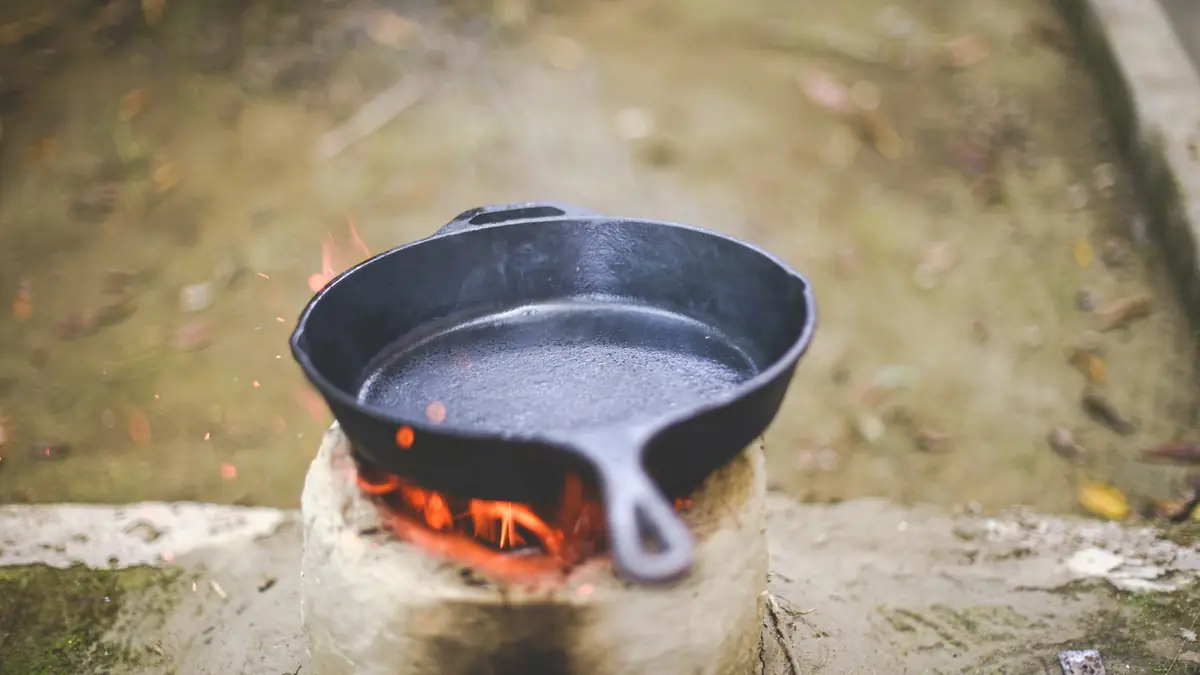
The default for a reason: inexpensive, made in the USA, and the size most stovetop burners heat evenly.
A family-size pan with a longer, more comfortable handle and a helper handle for lifting.
Enameled cast iron with no seasoning to maintain, and it’s fine with tomato sauces and wine.
We don't list prices because they change daily; Amazon shows the current price and stock when you click. We earn a commission on purchases, which never decides a pick. How we choose.
Swipe the table sideways to see all three →
| Spec | Best overallLodge 10.25-inch Pre-Seasoned Cast Iron Skillet | Best large / valueVictoria 12-inch Cast Iron Skillet | Best premiumLe Creuset Signature Enameled Cast Iron Skillet, 10.25-inch |
|---|---|---|---|
| Size | 10.25 in | 12 in | 10.25 in |
| Surface | Bare, factory seasoned | Bare, flaxseed seasoned | Enameled (no seasoning) |
| Handles | Long handle + helper lip | Long curved handle + helper handle | Iron handle + helper |
| Everyday care | Dry, oil lightly | Dry, oil lightly | Wash normally |
| Made in | USA (Tennessee) | Colombia | France |
| Best for | 1–3 people | 3–5 people | Low-maintenance cooks |
| Price & stock | Check price | Check price | Check price |
Cast iron is about mass and material, not brand prestige. A plain cast iron pan stores heat, so a steak or a pan of potatoes doesn’t drop the temperature the moment it hits the surface. Lodge’s 10.25-inch skillet does that job as well as boutique pans, and it does it at a price that makes it an easy first pan.
It arrives seasoned with vegetable oil, so you can cook right away. The factory finish is slightly pebbly compared with machined vintage pans, which matters less than people think: seasoning fills in with use, and eggs release fine once a few layers build up.
The 10.25-inch size is the sweet spot for a standard home burner. Larger pans can heat unevenly on small burners, which is the most common reason people think their cast iron "has hot spots".
A 12-inch skillet gives you roughly 40% more cooking area than a 10-inch, which is the difference between searing two steaks and four. Victoria’s version stands out for its handle: it’s longer and curved so it stays cooler and is easier to grip than many 12-inch pans.
The helper handle on the opposite side matters at this size. A full 12-inch pan is heavy, and lifting it with two hands is the safer way to move it from the oven.
Enameled cast iron keeps the heat retention but swaps the bare iron for a glass-like coating. The payoff is no seasoning routine and no worry about acidic foods: tomato sauces and wine reductions won’t strip anything or pick up a metallic taste.
The tradeoffs are price and a bit less nonstick behavior than a well-seasoned bare pan. Enamel can also chip if you bang it with metal utensils or shock it with cold water while it’s hot.
Most skillet decisions come down to three questions: how many people you cook for, whether you’re happy to keep a seasoning layer going, and how much weight you can comfortably lift.
A pan much wider than the burner heats unevenly. 10–10.25 in suits most home burners; 12 in needs a larger burner or a few extra minutes of preheat.
Bare cast iron gets more nonstick with use but needs drying and a thin oil coat. Enameled needs no seasoning, handles acidic food, but costs more and can chip.
Cast iron is heavy by design. A helper handle makes a big pan much safer to lift out of a hot oven.
Every major brand pre-seasons now. The seasoning you build in the first month matters far more than the factory coat.
Yes. Cast iron is magnetic, so it works on induction. On glass tops, lift rather than slide the pan to avoid scratches, and heat it gradually.
A small amount of mild dish soap is fine on a seasoned pan; modern dish soap doesn’t contain lye. What hurts cast iron is soaking it or letting it air-dry. Dry it right away and wipe on a thin layer of oil.
Usually the pan isn’t hot enough or there isn’t enough fat. Preheat for several minutes, add oil, and let food release on its own before flipping. Sticking fades as seasoning builds.
Lighter boutique pans with machined surfaces are nicer to use, but they don’t cook meaningfully better. If budget matters, the Lodge is the rational buy.
Briefly, in a well-seasoned bare pan, yes. Long simmers of acidic food can strip seasoning and add a metallic taste. Use enameled cast iron for those.
Wash and dry it completely, rub on a very thin coat of cooking oil, then wipe off as much as you can so it looks almost dry. Bake it upside down at about 450°F for an hour and let it cool in the oven. Lodge skillets come pre-seasoned, so regular cooking with a little fat is usually enough.
We compared size, weight, finish, handle design, heat-source compatibility and care requirements from each manufacturer’s published specifications and care guides, and weighed them against the most common complaints owners report: hot spots, sticking, rust and weight.
We have not hands-on tested these products; we compare published specifications, independent measurements and manufacturer documentation, and we update this page when models change. Read the full methodology.