Mac MTH-80 Professional 8-inch Chef’s Knife
A thin, hard Japanese-style blade that cuts with less effort and holds an edge longer.
- 8 in
- 2.5 mm blade
- Dimpled edge
Best chef’s knife: Mac MTH-80 Professional 8-inch Chef’s Knife. Why it wins: A thin, hard Japanese-style blade that cuts with less effort and holds an edge longer. Also see best budget: Victorinox Fibrox Pro 8-inch Chef’s Knife; best German-style: Wüsthof Classic 8-inch Chef’s Knife.
Our pick for most cooks is the Mac MTH-80: a thin, sharp 8-inch blade that glides through onions and herbs and holds its edge. The Victorinox Fibrox Pro is the budget knife culinary schools hand out. If you prefer a heavy, forged German knife, get the Wüsthof Classic.
Based on Mac Knife · Victorinox · Wüsthof
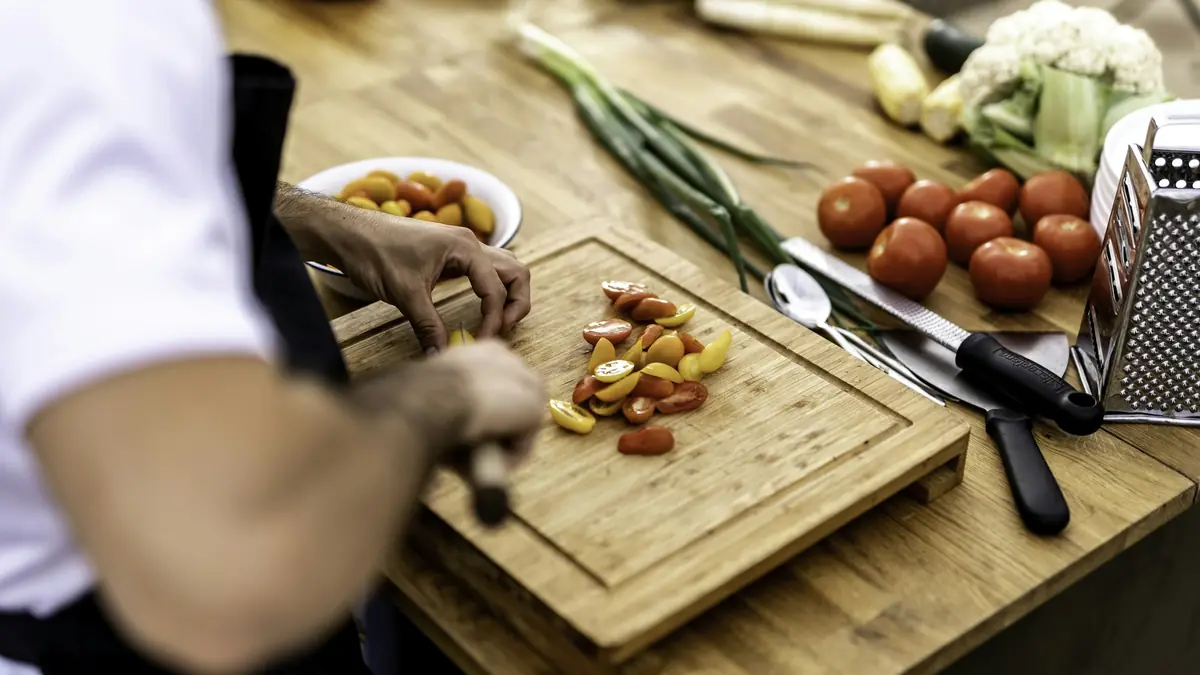
A thin, hard Japanese-style blade that cuts with less effort and holds an edge longer.
A light, stamped Swiss blade with a grippy handle. Hard to beat for the money.
Forged, heavy and durable, with a full bolster. For cooks who like a knife with heft.
We don't list prices because they change daily; Amazon shows the current price and stock when you click. We earn a commission on purchases, which never decides a pick. How we choose.
Swipe the table sideways to see all three →
| Spec | Best overallMac MTH-80 Professional 8-inch Chef’s Knife | Best budgetVictorinox Fibrox Pro 8-inch Chef’s Knife | Best German-styleWüsthof Classic 8-inch Chef’s Knife |
|---|---|---|---|
| Style | Japanese–Western hybrid | Western, stamped | German, forged |
| Blade | Thin (2.5 mm) | Thin–medium | Thicker |
| Weight | Light–medium | Light | Heavy |
| Edge | Very sharp, holds well | Sharp, easy to resharpen | Durable, tough |
| Care | Hand wash | Hand wash recommended | Hand wash |
| Best for | Most home cooks | Budget & beginners | Heavy-duty prep |
| Price & stock | Buy from MAC | Check price | Check price |
What makes a knife feel sharp is mostly the blade’s thinness behind the edge. The MTH-80’s 2.5 mm blade wedges food apart less than thicker German knives, so dense vegetables split cleanly instead of cracking.
Its shape is a hybrid: a Western-style profile with enough curve to rock, and a Japanese-style thinness and hardness. The dimples help a little with starchy foods like potatoes sticking to the blade.
Victorinox’s Fibrox Pro has been a recommendation from cooks and culinary programs for years because it gets the fundamentals right: a thin, sharp stamped blade and a textured handle that stays grippy when wet.
The steel is softer than the Mac’s, so it needs honing more often, but it’s also easy to bring back to sharp. The handle looks utilitarian, and that’s the main tradeoff.
Wüsthof’s Classic is the archetypal German chef’s knife: forged from one piece of steel with a full bolster and a triple-riveted handle. The weight does some of the work when you chop, and the tougher, slightly softer steel shrugs off rough use.
The bolster gives a secure grip but makes sharpening the heel harder over time. If you mainly slice vegetables finely, the thinner Mac is easier to use.
Thinness behind the edge matters more than any marketing about steel. Thin blades split dense food instead of wedging it.
Heavier German knives chop with momentum; lighter Japanese-style knives are more nimble. Neither is wrong.
An 8-inch blade handles nearly everything on a home board. Go to 10 in only with a large board and confident technique.
Hone weekly, sharpen once or twice a year. Never use a dishwasher, glass board or the edge to scrape food.
MAC Knife publishes a list of unauthorized and counterfeit sellers that includes Amazon itself, and says its 25-year warranty applies only to purchases from authorized sellers. To make sure you get a genuine knife with the warranty, we link to MAC’s own store, which earns us nothing.
No. A chef’s knife, a paring knife and a serrated bread knife cover almost everything. Sets usually include knives you won’t use.
Honing realigns the edge and takes seconds; sharpening removes metal to create a new edge. Hone often, sharpen rarely.
Japanese-style knives are thinner, harder and sharper but more brittle; German knives are heavier and tougher. The Mac MTH-80 sits between the two.
Yes. Heat, detergent and knocking against other items dull the edge and can damage handles. Hand wash and dry.
Wood or soft plastic. Glass, stone and bamboo-glue boards dull edges fast.
We compared blade geometry, construction, handle design, weight class and care requirements from manufacturer specifications, and weighed them against the issues owners report most: dulling, chipping, handle comfort and corrosion.
We have not hands-on tested these products; we compare published specifications, independent measurements and manufacturer documentation, and we update this page when models change. Read the full methodology.